Tuesday, November 12, 2024
How to Keep Your Yard Smelling Fresh with Septic Tank Odor Eliminators
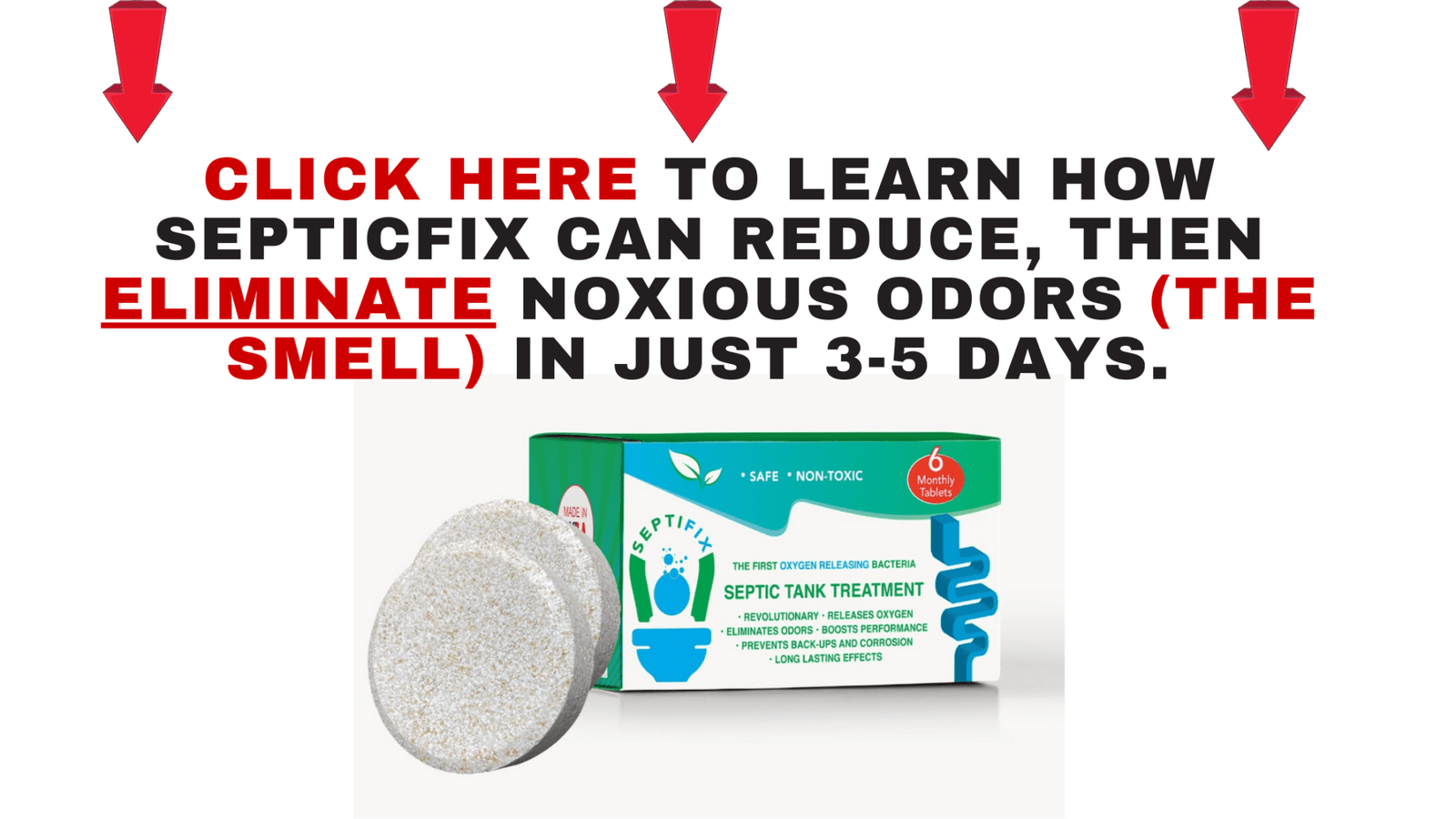
Keep Your Yard Smelling Fresh with Septic Tank Odor Eliminators
A well-maintained septic system is essential for a healthy and comfortable living environment. However, septic tank odors can sometimes creep into your yard, creating an unpleasant atmosphere. Thankfully, there are effective solutions to combat this issue. Septic tank odor eliminators are specially designed products that neutralize unpleasant smells and keep your yard smelling fresh.
Understanding Septic Tank Odors
Septic tank odors are typically caused by the breakdown of organic waste in the tank. As bacteria decompose waste, they release gases like hydrogen sulfide, which is responsible for the characteristic rotten egg smell. These gases can escape through vents, pipes, or even cracks in the tank, leading to an unpleasant odor in your yard.
Types of Septic Tank Odor Eliminators
Septic tank odor eliminators come in various forms, each with its unique mechanism of action. Here are some popular types:
Biological Treatment Solutions
Biological treatment solutions contain beneficial bacteria and enzymes that break down waste more efficiently, reducing the production of odor-causing gases. These solutions are environmentally friendly and can improve the overall performance of your septic system.
Chemical Odor Neutralizers
Chemical odor neutralizers use fragrances or chemicals to mask or neutralize unpleasant smells. These solutions are often quick and effective at eliminating odors, but they might not address the root cause of the problem.
Deodorizing Tablets and Packs
Deodorizing tablets and packs are designed to be placed directly into the septic tank. They release enzymes or chemicals that neutralize odors and improve the overall functioning of the system.
How to Use Septic Tank Odor Eliminators
The application process varies depending on the specific product. However, most odor eliminators involve adding them to the septic tank or the leach field. It's crucial to follow the manufacturer's instructions carefully to ensure proper application and effectiveness.
Benefits of Using Septic Tank Odor Eliminators
Using septic tank odor eliminators offers numerous benefits:
- Eliminates unpleasant smells: They effectively neutralize odors, creating a more pleasant environment in your yard.
- Improves septic system performance: Some odor eliminators contain beneficial bacteria that enhance waste decomposition and improve overall system efficiency.
- Prevents future odors: By addressing the root cause of the problem, some odor eliminators can prevent future occurrences of unpleasant smells.
- Environmentally friendly options: Biological treatment solutions are eco-friendly and do not harm the environment.
Tips for Preventing Septic Tank Odors
In addition to using odor eliminators, here are some preventive measures to minimize septic tank odors:
- Regular maintenance: Schedule regular septic tank inspections and pumping to ensure proper functioning and prevent buildup of waste.
- Avoid flushing inappropriate items: Don't flush items like wipes, paper towels, or medications that can clog the system and cause odor problems.
- Proper landscaping: Ensure proper drainage around your septic system to prevent water from accumulating and creating odor-producing conditions.
By using septic tank odor eliminators and following these preventive measures, you can keep your yard smelling fresh and enjoy a healthier living environment.

Understanding Septic Tank Odors in the Yard

Understanding Septic Tank Odors in the Yard
The presence of septic tank odors in your yard can be a frustrating and unpleasant experience. It not only detracts from your enjoyment of your outdoor space but also raises concerns about the health and safety of your family. Understanding the source of these odors and the underlying issues is crucial to effectively addressing them. This article will delve into the common causes of septic tank odors in the yard, explain the underlying mechanisms, and provide practical solutions to eliminate the problem.
Causes of Septic Tank Odors
Septic tank odors are typically caused by the release of volatile organic compounds (VOCs) from the breakdown of organic matter within the septic system. These odors can permeate the soil and travel to the surface, where they become noticeable in the yard. Here are some of the most common causes:
1. Leaking Septic Tank or Drainfield
The most obvious and potentially serious cause of septic tank odors is a leak in the tank itself or in the drainfield. Cracks, corrosion, or improper installation can lead to leaks, allowing sewage to escape and emit foul odors. The presence of a leak in the tank or drainfield also indicates that the wastewater is not being properly treated and can pose a significant health hazard.
2. Overloaded Septic System
An overloaded septic system occurs when the amount of wastewater entering the tank exceeds its capacity. This can happen due to excessive water usage, such as frequent showering, laundry, or dishwashing, or improper maintenance leading to a buildup of solids. When the tank is overloaded, the solids may rise to the surface, leading to the release of unpleasant odors.
3. Poor Ventilation
Proper ventilation is essential for maintaining a healthy septic system. Adequate ventilation helps remove gases and odors from the tank and drainfield. If the vents are blocked or insufficient, the gases can build up and eventually escape into the yard. Poorly maintained or clogged vent pipes can cause odors to accumulate and become noticeable.
4. Improper Septic System Design or Installation
A poorly designed or improperly installed septic system is a common cause of odor problems. Improper grading of the drainfield can lead to standing water, which can create a breeding ground for odor-producing bacteria. Also, the use of incorrect materials or poor workmanship during installation can compromise the system’s ability to treat wastewater effectively, resulting in odor issues.
5. Organic Matter Accumulation
Over time, organic matter such as food scraps, hair, and toilet paper can accumulate in the septic tank. This buildup can create a breeding ground for anaerobic bacteria that produce foul-smelling gases. The accumulation of sludge and scum can eventually clog the system and cause odor problems.
Understanding the Mechanisms of Odor Production
The odors associated with septic systems are primarily caused by the breakdown of organic matter in the absence of oxygen. This process, known as anaerobic digestion, is carried out by bacteria that thrive in low-oxygen environments. These bacteria produce a variety of volatile organic compounds (VOCs), including methane, hydrogen sulfide, and ammonia, which are responsible for the unpleasant smells.
Anaerobic Digestion
Anaerobic digestion is a complex process that occurs in the septic tank. The bacteria involved in this process break down organic matter into simpler compounds, such as methane, carbon dioxide, and hydrogen sulfide. The specific VOCs produced depend on the type of organic matter being decomposed and the conditions within the septic system.
VOC Release
The VOCs produced during anaerobic digestion are released into the environment, primarily through the septic tank vents and any leaks or cracks in the system. These gases can travel through the soil and eventually reach the surface of the yard, where they can be detected by the human nose.
Solutions to Eliminate Septic Tank Odors
Once you have identified the source of the odors, you can take steps to eliminate them. The best approach often involves a combination of preventative measures and corrective actions. Here are some potential solutions:
1. Septic System Inspection and Maintenance
The first step is to have your septic system inspected by a qualified professional. A professional can identify any leaks, cracks, or other problems that may be contributing to the odors. Regular maintenance, such as pumping out the septic tank every 3-5 years, is essential to prevent buildup and ensure the system is functioning properly.
2. Addressing Overloading
Reduce water usage by taking shorter showers, fixing leaks, and using water-efficient appliances. If you are experiencing frequent overloading, consider using a gray water system to divert wastewater from laundry and showers away from the septic system.
3. Vent Pipe Inspection and Repair
Make sure your septic system vents are unobstructed and functioning properly. Any blockages should be cleared, and damaged vents should be repaired or replaced. Consider adding a vent fan to improve ventilation and minimize odor buildup.
4. Addressing Septic System Design Flaws
For problems related to improper design or installation, you may need to consult with a septic system specialist to address the underlying issues. Regrading the drainfield, upgrading the system, or using alternative treatment methods may be necessary to resolve the odor problems.
5. Organic Matter Reduction
Minimize the amount of organic matter entering the septic system by using garbage disposals sparingly, avoiding flushing food scraps or other non-biodegradable items down the toilet, and using septic-safe cleaners and detergents.
6. Yard Drainage and Landscaping
Improper yard drainage can contribute to odor problems by creating standing water near the septic system. Ensure that your yard is properly graded and that there is adequate drainage away from the septic system. Consider planting trees or shrubs near the septic system to help absorb odors and improve the overall aesthetic appeal of your yard.
7. Chemical Odor Neutralizers
While not a permanent solution, chemical odor neutralizers can provide temporary relief from septic tank odors. These products can be added to the septic tank or sprinkled around the yard to mask unpleasant smells. However, it is important to note that chemical neutralizers do not address the underlying problem and should not be used as a substitute for proper maintenance and repairs.
Conclusion
Septic tank odors in your yard are often a sign of underlying problems with your system. By understanding the causes of these odors and implementing the appropriate solutions, you can effectively address the issue and create a more enjoyable and healthier outdoor environment. Regular inspection and maintenance are crucial for preventing odor problems and extending the life of your septic system. If you suspect your septic system is malfunctioning, consult with a qualified professional to diagnose and address the issue promptly.
Best Septic Tank Odor Neutralizers for Every Budget
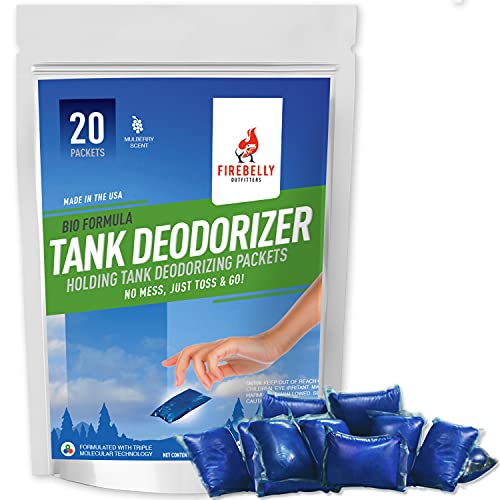
Best Septic Tank Odor Neutralizers for Every Budget
Let's face it, septic tank odors are the worst. They can make your home feel less welcoming, and they definitely won't impress any guests. But don't worry! There are plenty of solutions to combat these funky smells, and we're here to help you find the best septic tank odor neutralizer for your budget. We'll break down the most effective options, so you can choose the one that fits your needs and price point.
Understanding Septic Tank Odors
Before we dive into the best neutralizers, let's quickly understand what causes those unpleasant smells. Septic tank odors are often a result of hydrogen sulfide gas (H2S), which is produced by the bacteria that break down waste in your tank. This gas, along with other volatile compounds, can escape into the air, creating that signature sewage stench.
Types of Septic Tank Odor Neutralizers
There are several types of septic tank odor neutralizers on the market. Here's a breakdown of the most common types:
Bacteria-Based Neutralizers
These products contain beneficial bacteria that break down waste more effectively, reducing the amount of H2S and other odor-causing compounds. They work by adding healthy bacteria to your tank, which outcompete the odor-producing bacteria.
Pros:
- Environmentally friendly
- Long-lasting results
- Can improve overall septic tank health
Cons:
- May take some time to see results
- Can be more expensive than other options
Enzyme-Based Neutralizers
These neutralizers contain enzymes that accelerate the breakdown of organic waste. Enzymes are naturally occurring proteins that speed up chemical reactions, and they're specifically designed to target the compounds responsible for septic tank odors.
Pros:
- Fast-acting results
- Effective at eliminating existing odors
- Available in various forms (liquid, tablets, etc.)
Cons:
- May not be as long-lasting as bacteria-based solutions
- Can be more expensive than some other options
Chemical Neutralizers
These neutralizers contain chemicals that neutralize the odors, typically by masking them with a fragrance or by chemically breaking them down. They're often the most affordable option, but they might not address the root cause of the odor.
Pros:
- Fast-acting and readily available
- Inexpensive
Cons:
- May not be as effective as bacteria or enzyme-based solutions
- Can be harsh on your septic system
- May not be environmentally friendly
Best Septic Tank Odor Neutralizers for Every Budget
Budget-Friendly Options
If you're looking for affordable solutions to combat those septic tank odors, here are a few great options:
- Baking Soda: It's a natural deodorizer that can help neutralize odors. Simply sprinkle a cup or two of baking soda down your toilet and let it sit for a few hours before flushing.
- Vinegar: It's another natural deodorizer that can help neutralize odors. Pour a cup or two of vinegar down your toilet and let it sit for a few hours before flushing.
- Liquid Neutralizer: You can find affordable liquid neutralizers at most hardware stores. These typically contain fragrances or chemicals to mask the odor.
- Store-Brand Septic Tank Treatments: Look for generic brands of septic tank treatments, which can be more affordable than name-brand options.
Mid-Range Options
For those looking for a good balance of price and performance, these options are worth considering:
- Enzyme-Based Tablets: These tablets contain enzymes that break down waste and neutralize odors. They're easy to use and can be found at many hardware stores and online retailers.
- Bacteria-Based Liquid Treatment: These products contain beneficial bacteria that help break down waste and reduce odor. They're typically available in concentrate form, so you can dilute them as needed.
Premium Options
If you're looking for the most effective and long-lasting solution, these premium options are worth the investment:
- Professional Septic Tank Cleaning: A professional cleaning can help remove accumulated solids and sludge, which can contribute to odor.
- Advanced Enzyme-Based Treatments: These treatments contain highly concentrated enzymes that effectively break down waste and reduce odor.
- Bacteria-Based Treatments with Multiple Strains: Some bacteria-based treatments contain a blend of multiple strains of beneficial bacteria, which can provide even more effective odor reduction.
Additional Tips for Controlling Septic Tank Odors
Besides using a septic tank odor neutralizer, there are several things you can do to prevent and control odors:
- Flush Regularly: Flush your toilet regularly to help keep your septic tank working efficiently.
- Avoid Flushing Unnecessary Items: Only flush toilet paper and human waste down the toilet. Avoid flushing wipes, paper towels, feminine hygiene products, and other items that can clog your system.
- Use Septic-Safe Products: Use septic-safe cleaning products and detergents to avoid overloading your system with harsh chemicals.
- Inspect Your System: Have your septic system inspected regularly to ensure it's working properly.
- Maintain Your Drain Field: Ensure your drain field is properly maintained and free of obstacles to prevent backups.
Final Thoughts
Septic tank odors can be a real nuisance, but they don't have to rule your home. By understanding the causes of odor and choosing the right odor neutralizer for your budget, you can effectively eliminate these unpleasant smells and enjoy a more comfortable living space. Remember, prevention is key! Follow the tips above to keep your septic system healthy and odor-free.
Nighttime Septic Tank Smells: What to Do
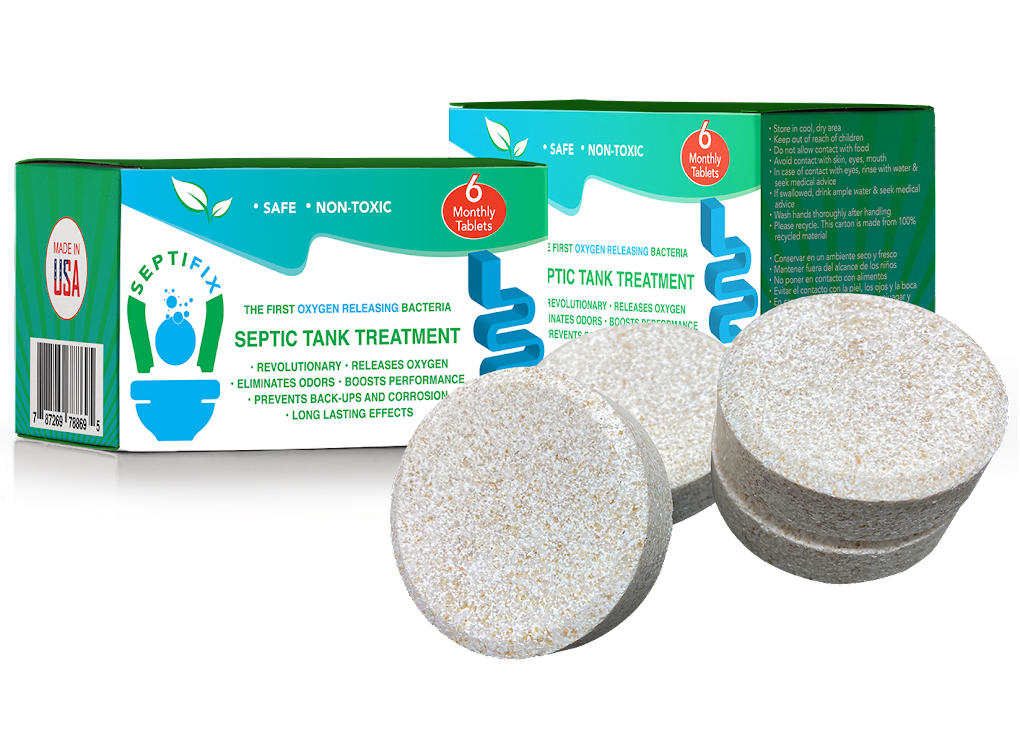
Nighttime Septic Tank Smells: What to Do
The unmistakable odor of sewage wafting through your home is a homeowner's worst nightmare. It's even more disconcerting when the stench is most potent at night. While a daytime smell might be a simple matter of a leaky pipe, nighttime odors often indicate a more serious problem with your septic system. This article will guide you through the potential causes and steps you can take to resolve the issue.
Understanding the Nighttime Smell
The reason nighttime smells are so prevalent lies in the behavior of gases produced by the breakdown of waste in your septic tank. These gases, including hydrogen sulfide and methane, tend to rise to the surface during the day and dissipate in the air. However, during the night, the cooler air temperature slows down the gas dispersion, leading to a buildup of these noxious fumes. This is why you might only notice the smell at night or in the early morning.
Common Causes of Septic Tank Smells
While the nighttime odor could be related to the natural processes of your septic system, it's more likely a symptom of a problem. Here are some common culprits:
1. Full or Overloaded Septic Tank
When your septic tank is full or overloaded, the solids can't decompose properly, leading to increased gas production. This gas can escape through cracks or vents, spreading the unpleasant smell.
2. Septic Tank Lid Problems
A damaged or loose septic tank lid can allow gases to escape directly into the air. Over time, the lid can deteriorate, creating an opening for the odors to seep out.
3. Leaky Pipes or Vents
Cracks or breaks in your plumbing system, including the drainpipes or vents, can allow sewage gases to escape and enter your home. This is especially true if the vent stack is blocked or corroded.
4. Overuse of Water
Excessive water usage in your home can overload your septic system. This occurs when you use a large amount of water for tasks like laundry, showers, or dishwashing, and your tank can't handle the influx effectively.
5. Problems with the Drain Field
A malfunctioning drain field, the area where treated wastewater is released, can lead to backups and cause gases to rise back up through the system. This can be a result of clogging, soil compaction, or other issues.
Resolving the Nighttime Septic Tank Smell
Dealing with a septic tank smell can be a frustrating experience. Here are some steps you can take to eliminate the odor:
1. Contact a Septic Tank Professional
The first step is to call a professional septic tank contractor. They can inspect your system to identify the source of the problem. They can pump the tank, check for leaks, and advise you on any necessary repairs.
2. Inspect the Septic Tank Lid
Examine the lid of your septic tank for any cracks, holes, or loose seals. If you find any issues, it's crucial to have them repaired immediately to prevent gas from escaping.
3. Reduce Water Usage
Consider adjusting your water usage habits to reduce the load on your septic system. Try running washing machines and dishwashers only when full, taking shorter showers, and fixing any leaks promptly.
4. Maintain Proper Ventilation
Ensure that your septic system has adequate ventilation. Check your vent stacks for blockages and ensure proper air circulation. A blocked vent can prevent gases from escaping properly.
5. Avoid Using Harsh Chemicals
Using harsh chemicals like bleach or drain cleaners can disrupt the delicate balance of bacteria in your septic tank, leading to increased odor production. Use biodegradable cleaning products that are safe for your septic system.
Conclusion
A nighttime septic tank smell can be a nuisance and a health hazard. By understanding the potential causes and taking the necessary steps, you can address the problem and ensure a clean and odor-free environment for your home. If you're struggling with this issue, don't hesitate to seek professional help from a qualified septic tank contractor.
Long-Lasting Septic Tank Odor Neutralizers for the Lawn
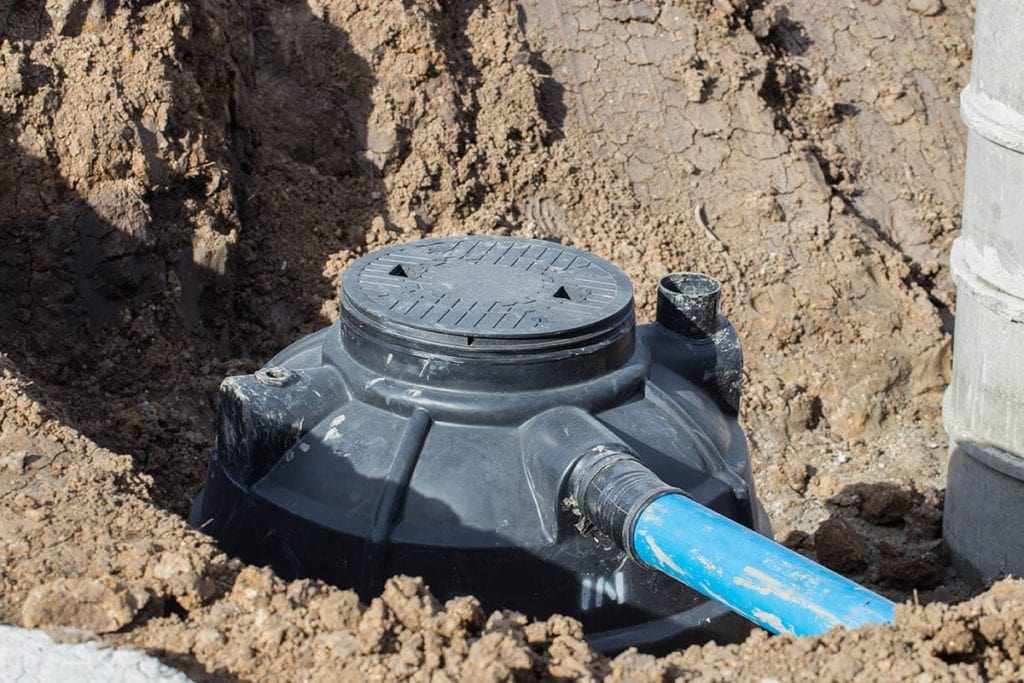
Long-Lasting Septic Tank Odor Neutralizers for the Lawn: Keep Your Yard Smelling Fresh!
Let’s be honest, nobody wants their lawn smelling like a sewer. Septic tank odor can be a real bummer, making outdoor gatherings less enjoyable and driving away potential guests. But don't despair! There are plenty of effective solutions out there to combat those unpleasant smells and keep your yard smelling fresh and inviting.
In this article, we'll dive into the best long-lasting septic tank odor neutralizers you can use on your lawn, breaking down their effectiveness and offering tips for maximizing their impact. Get ready to banish those stinky vibes for good and reclaim your beautiful green space!
Understanding the Source of Septic Tank Odors
Before we dive into the best odor neutralizers, let's understand where those nasty smells come from. Septic tanks are designed to break down waste through a natural process involving bacteria. However, sometimes these bacteria can produce unpleasant gases, particularly hydrogen sulfide, which is the main culprit behind that rotten egg smell.
These gases can escape from the septic tank itself, or from the drain field where the treated wastewater is released into the ground. Factors like a full tank, clogged drain field, or even improper installation can contribute to more intense odor issues.
Top Long-Lasting Septic Tank Odor Neutralizers
Now, let's get to the good stuff! Here are some of the best odor neutralizers for your lawn, categorized for easy reference.
1. Granular Odor Neutralizers
These are your classic "sprinkle and forget" odor neutralizers. They typically come in granular form and are sprinkled directly on the soil around your septic tank and drain field.
Here's what you can expect from them:
- Long-lasting effect: Granular neutralizers release their odor-absorbing properties gradually, often lasting for several months.
- Ease of use: No complicated application methods, just sprinkle and let them work their magic.
- Effective against multiple odors: Most granular neutralizers can tackle not just septic tank smells, but also those from pet waste and general yard odors.
Here are some popular granular odor neutralizer brands worth considering:
- SepticSafe Odor Eliminator Granules: This highly-rated option is designed to break down odors and neutralize bacteria. It's safe for use around plants and pets.
- Green Gobbler Septic System Deodorizer: Another popular choice, this granular neutralizer also features a bio-enhancing formula to help improve septic system performance.
2. Liquid Odor Neutralizers
Liquid neutralizers are often applied directly to the septic tank itself or poured around the drain field. They typically work by introducing beneficial bacteria that help break down waste and reduce odor-producing gases.
Here's why liquid neutralizers are a good option:
- Fast-acting: You often see results within a few days.
- Suitable for specific problems: Some liquid neutralizers are formulated to address specific issues like clogged drain fields or excess grease in the tank.
- Often combined with other treatments: Many liquid neutralizers include additives to help maintain a healthy septic system and improve its overall performance.
Here are a couple of highly-rated liquid neutralizers:
- Rid-X Septic System Treatment: This popular brand is designed to break down waste, improve drainage, and eliminate odors. It's safe for use in all types of septic systems.
- Bio-Clean Septic System Treatment: Bio-Clean focuses on using natural bacteria to break down waste and improve septic system efficiency, leading to fewer odors.
3. Odor-Absorbing Plants
Who knew that plants could be a secret weapon against stinky odors? Certain plants have the ability to naturally absorb and neutralize odors, and they can even make your yard look more attractive.
Here are a few plants known for their odor-absorbing properties:
- Lavender: This fragrant herb is not only lovely to look at, but it also releases a pleasant scent that can mask unwanted odors.
- Rosemary: Another aromatic herb, rosemary can help purify the air and mask septic tank smells.
- Mint: This refreshing plant has a strong, minty scent that can help mask odors and leave your yard smelling fresh.
To maximize their impact, try planting these odor-absorbing plants near your septic tank or drain field. They'll naturally help to neutralize any unpleasant smells wafting from your septic system.
Tips for Getting the Most Out of Septic Tank Odor Neutralizers
Ready to get rid of those smelly vibes for good? Here are a few tips to help you maximize the effectiveness of your chosen odor neutralizers:
- Read the instructions carefully: Each product has its own specific instructions for application and frequency, so be sure to follow them for optimal results.
- Target the source: If you can pinpoint the exact location of the odor, try focusing your application efforts around that area.
- Maintain your septic system: Regular septic tank maintenance, such as pumping and inspections, can help prevent odor problems in the first place.
- Don't over-treat: Using too much neutralizer can actually disrupt the beneficial bacteria in your septic system, so it's best to follow recommended usage guidelines.
- Consider a combination approach: Pairing a granular neutralizer with a liquid treatment can offer a more comprehensive and long-lasting solution.
Taking a Proactive Approach to Septic Tank Odor Control
The key to preventing septic tank odor is to be proactive and maintain your system properly. Here are a few things you can do:
- Get your tank pumped regularly: A full septic tank is more likely to produce odors, so make sure to have it pumped every 3-5 years.
- Avoid flushing harmful substances: Things like grease, oil, and medications can clog your septic system and lead to odor problems.
- Use septic-safe cleaners: Choose cleaning products specifically designed for septic systems to avoid harming the beneficial bacteria.
Conclusion: Breathe Easy and Enjoy Your Fresh Lawn
Nobody wants to deal with stinky odors, especially in their own backyard. By understanding the sources of septic tank odors and using effective neutralizers, you can reclaim your lawn as a haven of fresh air and enjoyment.
Whether you choose granular, liquid, or even odor-absorbing plants, there's a solution out there to keep your yard smelling fresh and inviting. Just remember to follow product instructions carefully, maintain your septic system regularly, and enjoy your odor-free outdoor oasis!
Chemical vs. Natural Septic Tank Odor Neutralizers
Chemical vs. Natural Septic Tank Odor Neutralizers: Which Is Right for You?
A septic system is an essential part of many homes, but it can also be a source of unpleasant odors. These smells can be a nuisance, and in some cases, they can be a sign of a bigger problem with your system. Thankfully, there are many septic tank odor neutralizers available to help combat this issue. But with so many options on the market, it can be hard to know which one is right for you. This article will break down the differences between chemical and natural septic tank odor neutralizers, helping you make an informed decision for your home.
Chemical Septic Tank Odor Neutralizers
Chemical septic tank odor neutralizers are typically formulated with strong chemicals that neutralize odors by breaking down organic waste and bacteria. These products come in various forms, including liquids, powders, and tablets. They are widely available in hardware stores and online retailers. Some common chemical ingredients include:
- Enzymes: These biological agents break down organic matter, reducing the source of foul odors.
- Bacteria: Similar to enzymes, bacteria consume waste and eliminate odors.
- Deodorizers: These mask odors with fragrances. While they don’t address the root cause of the problem, they can temporarily make the air smell better.
Pros of Chemical Septic Tank Odor Neutralizers
- Effective: Chemical neutralizers can quickly eliminate odors, providing immediate relief.
- Easy to use: Most chemical products come in convenient forms, making them easy to apply.
- Widely available: Chemical odor neutralizers are readily available at most hardware stores and online retailers.
Cons of Chemical Septic Tank Odor Neutralizers
- Potential harm to septic system: Some chemicals can be harsh on your septic system, potentially damaging the bacteria needed for proper waste breakdown.
- Environmental concerns: Chemical odor neutralizers can release harmful substances into the environment.
- Short-term solution: While chemical neutralizers can provide immediate relief, they may not address the underlying causes of odor.
Natural Septic Tank Odor Neutralizers
Natural septic tank odor neutralizers are made from plant-based ingredients and are generally considered safer for your septic system and the environment. These products typically work by promoting beneficial bacteria growth, which breaks down waste and reduces odor. Some common natural ingredients include:
- Yeast: Yeast provides a food source for beneficial bacteria, encouraging their growth.
- Citrus peels: Citrus peels contain natural enzymes that can help break down waste.
- Essential oils: Certain essential oils, such as tea tree oil, have antibacterial and deodorizing properties.
Pros of Natural Septic Tank Odor Neutralizers
- Safer for septic system: Natural products are less likely to harm the bacteria in your septic system, promoting healthy waste breakdown.
- Environmentally friendly: Natural odor neutralizers are biodegradable and less likely to pollute the environment.
- Long-term solution: Natural products work by fostering healthy bacterial growth, which can help prevent future odor issues.
Cons of Natural Septic Tank Odor Neutralizers
- May be less effective: Natural products may not be as effective at eliminating odors as chemical alternatives.
- Longer time to see results: Natural odor neutralizers work by promoting bacterial growth, which may take some time to achieve noticeable results.
- Limited availability: Natural septic tank odor neutralizers may not be as widely available as chemical products.
Choosing the Right Septic Tank Odor Neutralizer
The best septic tank odor neutralizer for you will depend on your individual needs and priorities. If you want a quick and effective solution to eliminate odors, chemical products might be a better option. However, if you are concerned about the environmental impact and the health of your septic system, natural products may be a more sustainable choice.
Ultimately, it's important to research different products and consider the pros and cons of each before making a decision. If you're unsure about the best option for your septic system, consult with a licensed plumber or septic system professional. They can help you determine the best approach for your specific needs.
How to Prevent Septic Tank Smells from Getting Stronger at Night

The Mystery of the Nighttime Septic Tank Smell: Why It's Stronger and How to Fix It
You know the drill: sun goes down, the air starts to cool, and suddenly that familiar, not-so-pleasant septic tank smell wafts through your home. It’s annoying, it’s embarrassing, and it can make you wonder what on earth is going on. Why is the smell stronger at night, and what can you do to stop it?
Fear not, fellow homeowner! We're diving into the fascinating world of septic tank odors, exploring the reasons behind their nocturnal resurgence, and, most importantly, arming you with practical tips to banish those stinky smells for good.
The Science Behind the Nighttime Septic Tank Smell
The culprit behind that nighttime stench? It's a combination of factors, each playing a role in amplifying the smell. Think of it as a smelly symphony!
Temperature Changes
During the day, the sun warms the air, making it less dense. This warm air rises, carrying odors with it. At night, the air cools and becomes denser, causing it to settle closer to the ground, effectively trapping any smells, including those emanating from your septic system.
Air Pressure Differences
As the air cools, the pressure within your house can decrease. This can create a negative pressure, sucking in air from outside, including air that might be carrying the aroma of your septic system.
Biological Activity
Don't forget the hardworking bacteria in your septic tank! Their break down of waste produces gases like hydrogen sulfide (that rotten egg smell) and methane. These gases are lighter than air and tend to rise, potentially finding their way out of the system and into your home through vents or cracks in the foundation.
Tackling the Nighttime Septic Tank Smell
Now that you understand the why, let's get to the how! Here's a game plan to fight back against those nighttime smells:
1. Check Your Septic System for Problems
The first step is to identify potential issues within your septic system. You can do this by:
- Inspecting the septic tank lid: Look for cracks, leaks, or signs of corrosion. If you find any, get it repaired as soon as possible.
- Checking the vent pipe: Make sure the vent pipe is clear of obstructions and extends above the roofline, allowing gases to escape safely.
- Testing the drainfield: Look for signs of wetness or standing water, which could indicate a clogged drainfield or drainage problems.
If you suspect a problem, don't hesitate to call a professional septic system inspector or plumber. They can diagnose any issues and recommend solutions.
2. Address Internal Plumbing Issues
Sometimes, the source of the smell might not be your septic tank but rather faulty plumbing within your home. Inspecting the plumbing system for leaks or faulty seals is a good idea. You can also try these tricks:
- Check all drains: Run water down all your drains to flush out any lingering odors. Be sure to clean any slow-draining sinks or tubs.
- Flush the toilets: Even though they may seem fine, flushing toilets can help eliminate trapped odors within the pipes.
- Clean the garbage disposal: A dirty garbage disposal can become a breeding ground for unpleasant smells. Run it with cold water and baking soda to clean it thoroughly.
- Use a drain cleaner: If you suspect a drain is particularly clogged, try using a safe and effective drain cleaner to clear the obstruction. Be sure to follow the instructions carefully.
3. Boost Your Septic System
Just like a good gardener fertilizes their soil, you can provide your septic system with a boost to help manage odor. This involves:
- Adding septic tank additives: Septic tank additives contain bacteria that help break down waste more efficiently, reducing odor production. You can purchase these at most hardware or home improvement stores.
- Using enzyme-based drain cleaners: These cleaners can break down grease, hair, and other materials that can clog drains and contribute to smells.
- Avoiding harsh chemicals: Avoid using harsh chemicals in your drains, as they can kill the beneficial bacteria in your septic system.
4. Focus on Ventilation
Improving airflow can help clear out those lingering odors, so try these tips:
- Open windows: Even if it's just for a short period, opening windows at night can help ventilate your home and release trapped smells.
- Run bathroom fans: Exhaust fans in bathrooms are designed to draw out moisture and odors, so run them for a few minutes after each shower or bath.
- Use a dehumidifier: If you live in a humid climate, a dehumidifier can help reduce moisture levels in the air, making it less hospitable to odor-causing bacteria.
5. Seek Professional Help
Sometimes, the best solution is to call in the experts. A septic system specialist can provide a thorough inspection, diagnose any issues, and recommend the best course of action to eliminate the odor. They may even offer services like:
- Pumping the tank: A full septic tank can lead to overflows and odors, so regular pumping is essential. The frequency depends on your usage and the size of your tank, but generally, it's recommended every 3-5 years.
- Repairing or replacing components: If your septic system has leaks, cracks, or other issues, a professional can repair or replace damaged components to ensure proper functioning.
- Installing a new septic system: In some cases, a new septic system might be the best option, especially if the current one is old, damaged, or not working properly.
Beyond the Nighttime Smell
While tackling the nighttime smell is a priority, here are some additional tips to keep your septic system in top shape and prevent those smelly surprises altogether:
- Be mindful of what you flush: Avoid flushing items like wipes, paper towels, hair, or food scraps, as they can clog your system. Stick to toilet paper and human waste only.
- Practice water conservation: The less water you use, the less stress on your septic system. Fix leaks promptly, take shorter showers, and use low-flow appliances.
- Keep heavy loads off the drainfield: Avoid parking vehicles or heavy equipment over the drainfield, as this can compact the soil and hinder drainage.
- Regularly maintain your system: This includes regular inspections, pumping, and any necessary repairs. A well-maintained septic system is less likely to produce unpleasant odors.
So, the next time that familiar smell wafts through your house at night, remember you now have the knowledge and tools to tackle it head-on! Keep your septic system in good shape, and say goodbye to those nighttime odors.